Simple 3-Step Skincare Routine for Teens (No Overwhelm)
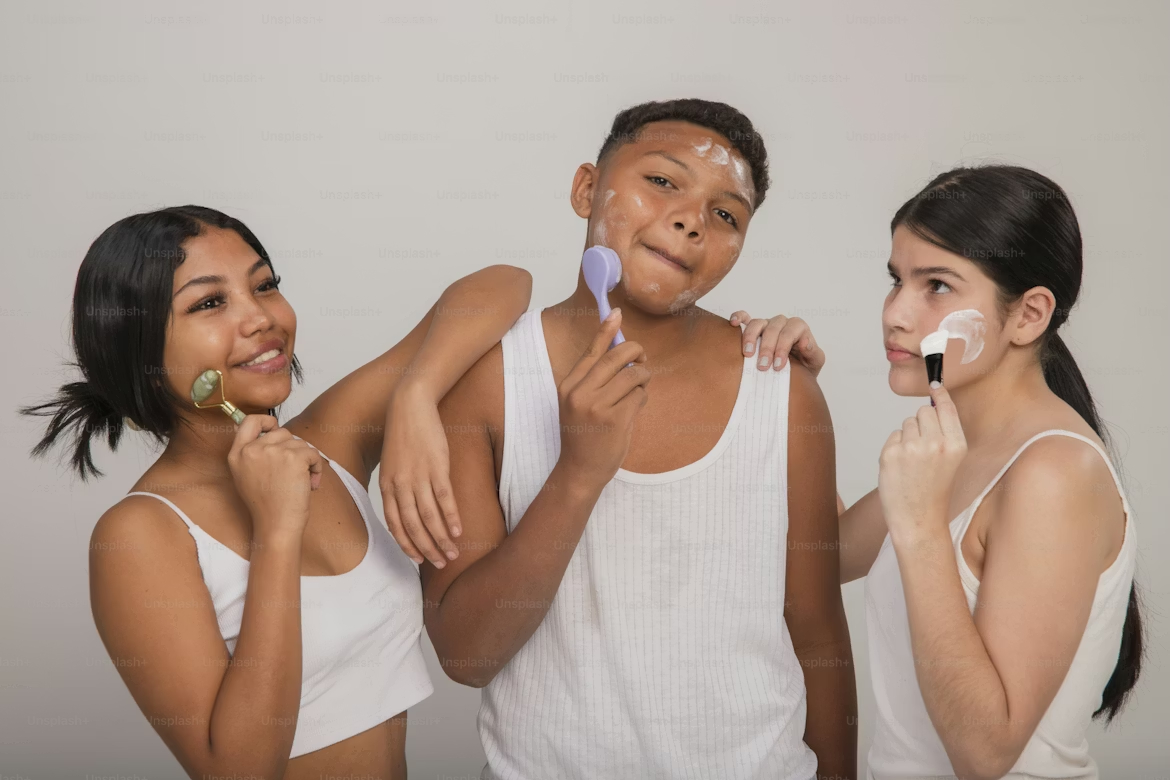
Starting skincare as a teen can feel confusing. There are so many products, trends, and conflicting advice online.
Here's the truth: You don't need a 10-step routine. You don't need expensive products. You just need three simple steps done consistently.
This guide is for beginners, teens with acne, oily skin, or anyone who wants healthy skin without the stress.
🧴 The Only 3 Steps You Actually Need
1. Gentle Cleanser (Morning & Night)
Washing your face removes dirt, oil, and sweat that builds up during the day and overnight.
What to look for:
- "Gentle" or "for sensitive skin" on the label
- No harsh beads or scrubs for daily use
- Non-foaming or low-foaming formulas
What to avoid:
- Harsh soaps that leave your skin feeling tight
- Over-washing (twice a day is plenty)
2. Oil-Free Moisturizer (Morning & Night)
Many teens skip this step because they think moisturizer causes breakouts. The opposite is true. When you don't moisturize, your skin produces extra oil to compensate, which can actually make acne worse.
What to look for:
- "Non-comedogenic" (won't clog pores)
- "Oil-free" or "gel" formula
- Lightweight texture
3. Sunscreen (Every Morning)
This is the most important step for long-term skin health. Sun damage happens even on cloudy days, and it's one of the main causes of dark spots and scarring from acne.
What to look for:
- SPF 30 or higher
- "Oil-free" or "matte finish"
- Won't feel heavy or greasy
❌ Common Mistakes Teens Make
Avoid these and your skin will thank you:
| Mistake | Why It's Bad |
|---|---|
| Popping pimples | Causes scarring and spreads bacteria |
| Using harsh scrubs daily | Irritates skin and makes acne worse |
| Skipping sunscreen | Darkens acne scars over time |
| Sleeping in makeup | Clogs pores and causes breakouts |
| Changing products too fast | Skin needs 4-6 weeks to show results |
🧠 Acne Facts Every Teen Should Know
Fact 1: Acne is not your fault. It's caused by hormones, genetics, and bacteria — not by being "dirty."
Fact 2: Toothpaste does NOT belong on pimples. It burns the skin and makes redness worse.
Fact 3: More products don't mean better results. A simple routine wins every time.
Fact 4: Stress and lack of sleep can trigger breakouts. Your skin reflects what's happening inside your body.
⏳ What to Expect and When
| Timeframe | What Changes |
|---|---|
| Week 1-2 | Skin feels less tight. Less new breakouts. |
| Week 3-4 | Existing pimples start healing. Texture improves. |
| Week 6-8 | Noticeable reduction in breakouts. Skin looks calmer. |
Important: If your skin isn't improving after 8 weeks of consistent routine, consider seeing a dermatologist. Prescription options exist that over-the-counter products can't match.
🧴 Product Recommendations for Different Teen Skin Types
| Skin Type | Best Cleanser | Best Moisturizer |
|---|---|---|
| Oily / Acne-prone | Salicylic acid cleanser (2-3x weekly) | Gel, oil-free |
| Dry / Sensitive | Hydrating, non-foaming | Cream, fragrance-free |
| Combination | Gentle, balanced formula | Lightweight lotion |
💡 Quick Morning Routine (60 Seconds)
- Splash face with lukewarm water (or gentle cleanser if oily)
- Apply oil-free moisturizer
- Apply sunscreen
That's it. Seriously.
💡 Quick Night Routine (90 Seconds)
- Gentle cleanser
- Oil-free moisturizer
- Spot treatment (if needed — benzoyl peroxide or salicylic acid)
🧠 Final Thoughts for Teens
You don't need to spend hours on skincare. You don't need 15 products. You don't need to compare your skin to filtered photos online.
Consistency beats complexity every time.
Start with the three steps. Do them every single day. Give it two months. Then decide if you need to add anything else.
Your skin is already doing its best. Just help it along with simple, gentle care.
💡 Tip: Wash your pillowcase twice a week. It traps oil and bacteria that can cause breakouts.
As an Amazon Associate, I earn from qualifying purchases. All recommendations are based on dermatologist advice and honest research.