Why Men Get Pimples After Shaving: The Complete Guide to Razor Bumps & Folliculitis
Why Men Get Pimples After Shaving: The Complete Guide to Razor Bumps & Folliculitis
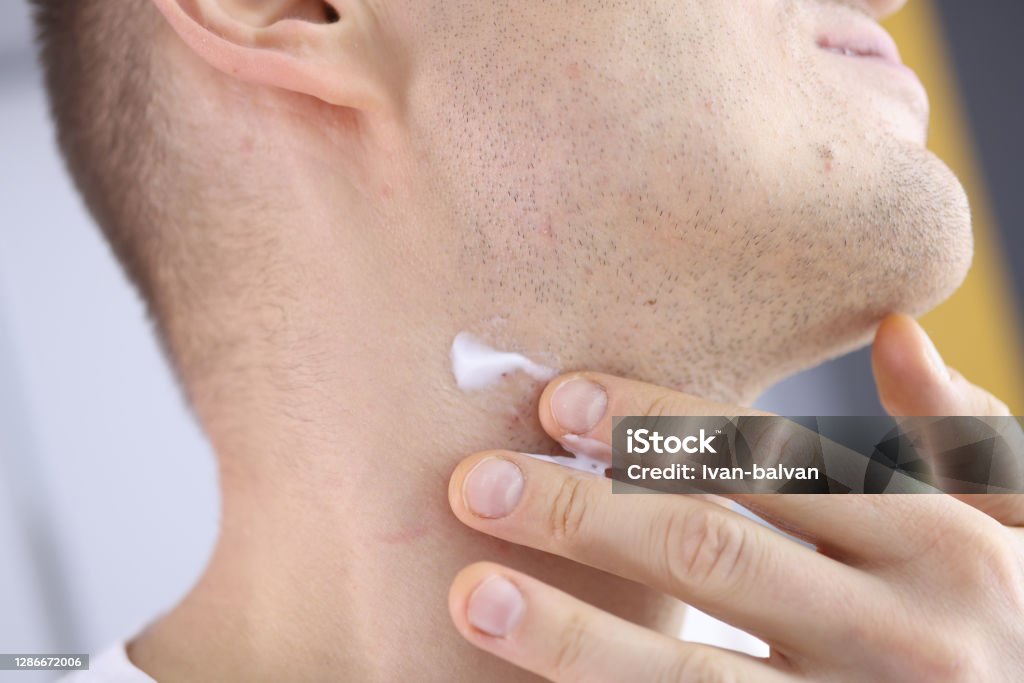
You shave in the morning, expecting smooth, clean skin. By evening—or the next day—red bumps, pimples, and irritation appear. Sound familiar?
If you're dealing with post-shave breakouts, you're not alone. Millions of men struggle with this frustrating cycle. Here's the truth: those bumps aren't regular acne. They're a specific condition called razor bumps (pseudofolliculitis barbae) or folliculitis.
In this guide, I'll explain exactly what's happening to your skin and, more importantly, how to prevent it for good.
What's Actually Happening to Your Skin?
When you shave, you're not just removing hair—you're traumatizing your skin. Here's the science:
Razor Bumps (Pseudofolliculitis Barbae) This occurs when shaved hairs curl back into the skin instead of growing straight out. The skin treats these ingrown hairs as foreign invaders, causing inflammation, redness, and pus-filled bumps.
Folliculitis This is inflammation or infection of the hair follicles. When you shave, you create microscopic tears in the skin, allowing bacteria to enter the follicles. The result? Small, itchy, pimple-like bumps that can be painful.
Why Some Men Are More Prone to Razor Bumps
Certain factors make you more susceptible:
- Curly or coarse hair: The curlier your hair, the more likely it is to curl back into the skin
- Shaving against the grain: This cuts hair below skin level, increasing ingrown risks
- Dull blades: Tug and pull hair instead of cleanly cutting
- Dry shaving: No lubrication means more friction and irritation
- Sensitive skin: Your skin reacts more aggressively to any trauma
- African American or Hispanic descent: Curly hair types are statistically more prone to razor bumps
The 5-Step Razor Bump Prevention Routine
Step 1: Prepare Your Skin Properly
Never shave dry skin. Before shaving:
- Wash with warm water for 2-3 minutes to soften hair
- Use a pre-shave oil to lubricate and protect
- Apply a warm towel to open pores and further soften hair
Why it works: Soft hair cuts cleanly instead of tearing. Warmth relaxes follicles so hair isn't cut too short.
Step 2: Use the Right Shaving Tools
Your razor choice matters enormously:
For Razor Bump Prone Skin:
- Single-blade razor or safety razor: Multi-blade razors pull hair up before cutting, causing it to snap back below skin level
- Electric razor: Many men find electric razors cause less irritation (use the "lift and cut" setting)
- Never use a dull blade: Change blades every 3-5 shaves
What to avoid:
- Multi-blade cartridges (Mach 3, Fusion, etc.)
- Disposable razors used more than twice
- Old, rusty blades
Step 3: Shave With the Grain
This is the single most important technique change:
- Shave in the direction hair grows (with the grain)
- Don't stretch skin taut while shaving (this cuts hair too short)
- Use light pressure—let the razor do the work
- One pass only (no going over the same spot repeatedly)
Why it matters: Shaving with the grain leaves a tiny bit of hair above skin level, preventing ingrown hairs. Against-the-grain shaving gives you a closer shave but dramatically increases bump risk.
Step 4: Post-Shave Care That Prevents Bumps
What you do after shaving is just as important:
- Rinse with cool water to close pores
- Apply an alcohol-free aftershave (alcohol dries and irritates)
- Use salicylic acid (BHA) to keep pores clear
- Moisturize immediately with a non-comedogenic moisturizer
Recommended ingredients to look for:
- Salicylic acid: Exfoliates and prevents ingrown hairs
- Glycolic acid: Gentle exfoliation
- Tea tree oil: Natural antibacterial properties
- Aloe vera: Soothes inflammation
- Niacinamide: Reduces redness and strengthens skin barrier
Step 5: Treat Existing Bumps
If you already have razor bumps, here's how to treat them:
For Mild Cases:
- Apply benzoyl peroxide (2.5-5%) to kill bacteria
- Use hydrocortisone cream (1%) for inflammation (3 days max)
- Warm compresses to help ingrown hairs surface
For Moderate Cases:
- Salicylic acid pads after shaving
- Tend Skin solution—designed specifically for razor bumps
- Gently exfoliate with a soft brush 24 hours after shaving
For Severe Cases:
- Stop shaving entirely for 2-4 weeks to let skin heal
- See a dermatologist for prescription options
The One Product That Fixes Most Razor Bumps
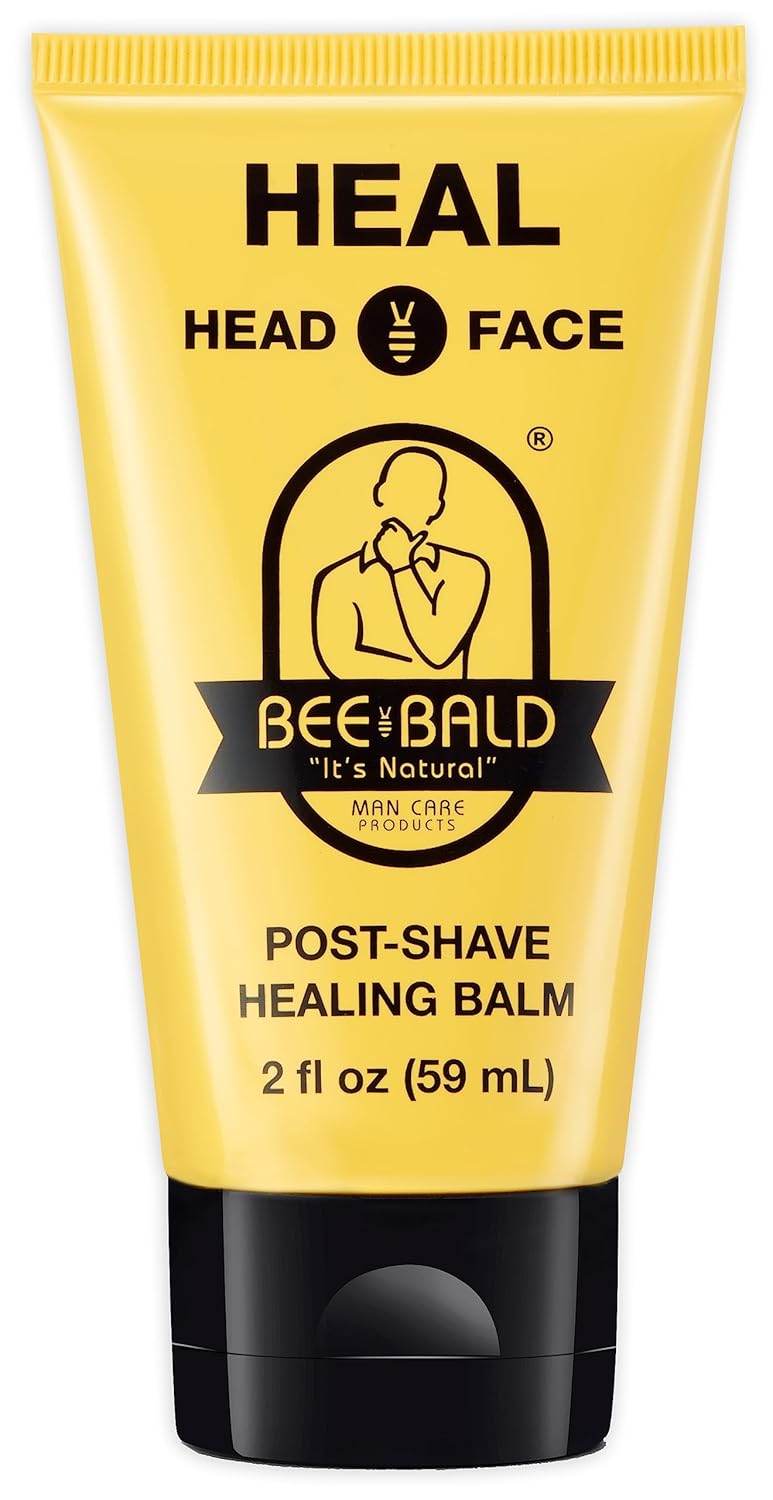
If you only buy one thing from this article, make it Tend Skin Solution. It's specifically formulated for razor bumps and ingrown hairs. Apply it after shaving with a cotton pad, and most men see improvement within days.
Our top pick: Tend Skin Solution on Amazon →
Apply with a cotton ball after every shave. A little goes a long way.
Alternative Hair Removal Methods
If shaving always causes problems, consider these alternatives:
| Method | Best For | Result |
|---|---|---|
| Electric trimmers | Most men prone to bumps | Leaves stubble, no ingrown hairs |
| Clippers (no guard) | Very curly hair | 5 o'clock shadow look |
| Laser hair removal | Permanent solution | 80-90% reduction after 6-8 sessions |
The Ideal Shaving Routine for Bump-Prone Skin
Here's a complete routine to follow:
Morning of Shave:
- Gentle cleanser
- Warm compress for 2-3 minutes
- Pre-shave oil
Shaving: 4. Quality shaving cream (not gel from a can) 5. Single-blade razor 6. Shave with the grain, light pressure 7. Rinse blade after every stroke 8. Cool water rinse
Post-Shave: 9. Pat dry (don't rub) 10. Tend Skin Solution on affected areas 11. Lightweight moisturizer
Throughout the Day:
- Don't touch or pick at your face
- Keep skin moisturized
- Change pillowcases weekly
Common Mistakes That Cause Shaving Breakouts
❌ Using Old Razors
Dull blades tear hair instead of cutting it cleanly.
The fix: Change blades every 3-5 shaves.
❌ Shaving Too Frequently
Daily shaving doesn't give skin time to heal.
The fix: Shave every other day if possible.
❌ Using Harsh Aftershave
Alcohol-based aftershaves strip moisture and irritate.
The fix: Use alcohol-free options with aloe or tea tree.
❌ Not Moisturizing
Shaving strips your skin's protective barrier.
The fix: Moisturize immediately after shaving.
When to See a Dermatologist
You should seek professional help if:
- Razor bumps persist after 2-3 weeks of proper technique
- You have painful cysts or nodules
- Bumps are leaving dark marks (hyperpigmentation)
- You've tried everything and nothing works
A dermatologist can prescribe topical antibiotics, retinoid creams, or recommend laser hair removal.
Quick Summary: Your Anti-Razor Bump Checklist
✅ Before Shaving: Warm compress, pre-shave oil, quality cream ✅ During Shaving: Single-blade razor, shave with the grain, light pressure ✅ After Shaving: Cool rinse, Tend Skin, moisturizer ✅ Between Shaves: Exfoliate gently, moisturize daily, give skin rest days ✅ Products to Avoid: Multi-blade razors, alcohol aftershave, dry shaving
The Bottom Line
Post-shave pimples aren't inevitable. They're a sign that your current shaving routine isn't compatible with your skin and hair type. By making the adjustments outlined above—especially shaving with the grain and using Tend Skin—most men see dramatic improvement within weeks.
Remember: The goal isn't the closest shave possible. The goal is a clean shave that doesn't leave your skin inflamed and bumpy.
Ready to get rid of razor bumps for good? Try Tend Skin Solution →
As an Amazon Associate, I earn from qualifying purchases. All recommendations are based on dermatologist advice and honest research.