How to Treat Dark Spots: A Complete Guide to Hyperpigmentation
How to Treat Dark Spots: A Complete Guide to Hyperpigmentation
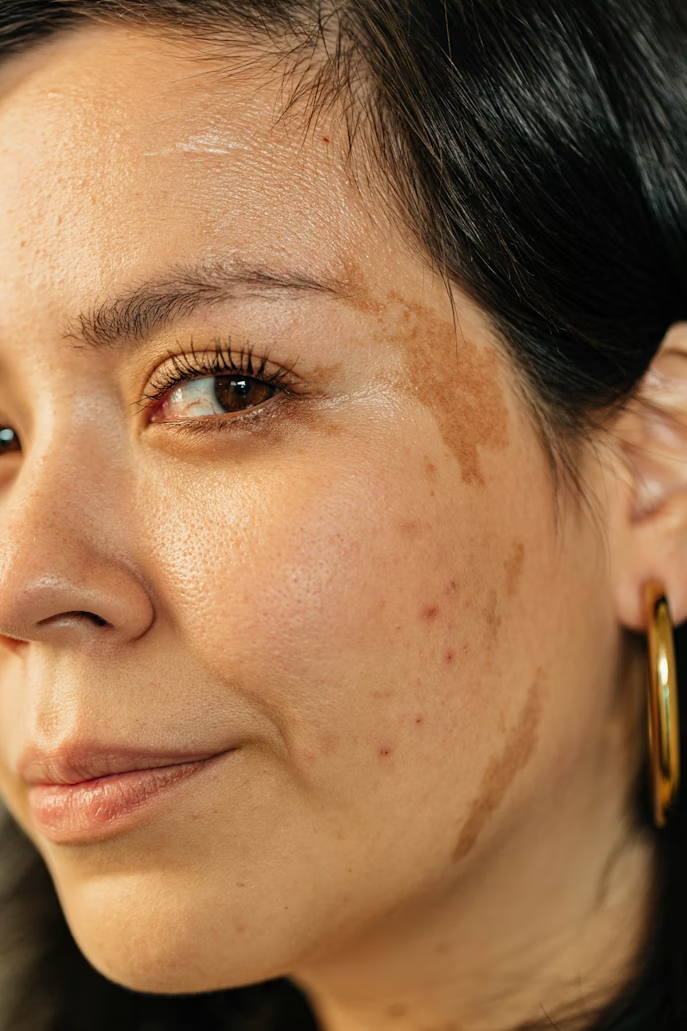
Dark spots. Age spots. Sun spots. Post-acne marks. Whatever you call them, these uneven patches of skin can be frustrating and stubborn. But here's the good news: you can fade them.
In this guide, I'll walk you through exactly what causes dark spots and, more importantly, which treatments actually work.
What Are Dark Spots?
Dark spots occur when your skin produces excess melanin (the pigment that gives skin its color). This overproduction can be triggered by several factors:
- Sun exposure (most common cause)
- Acne (post-inflammatory hyperpigmentation)
- Hormonal changes (melasma)
- Skin injuries (cuts, burns, or irritation)
- Aging (cumulative sun damage over time)
Step 1: Start with Sunscreen (Non-Negotiable)

Before any treatment, you must commit to daily sunscreen. Without it, no dark spot treatment will work effectively. Sun exposure reactivates melanin production, undoing all your progress.
Why it's essential:
- Prevents new dark spots from forming
- Protects existing treatments
- Allows your skin to heal
Our top pick: Black Girl Sunscreen SPF 30 on Amazon →
Apply 1/4 teaspoon to your face every single morning—rain or shine!
Step 2: Apply a Vitamin C Serum (Morning)

Vitamin C is a powerful antioxidant that blocks melanin production and protects against future sun damage. It's the best ingredient for brightening sun spots and giving your skin an overall glow.
Benefits of Vitamin C:
- Blocks melanin production
- Protects against free radicals
- Boosts sunscreen effectiveness
- Brightens overall complexion
Our top pick: The Ordinary Vitamin C Suspension 23% on Amazon →
Apply to clean, dry skin in the morning before moisturizer and sunscreen.
Step 3: Use Niacinamide (Morning or Night)
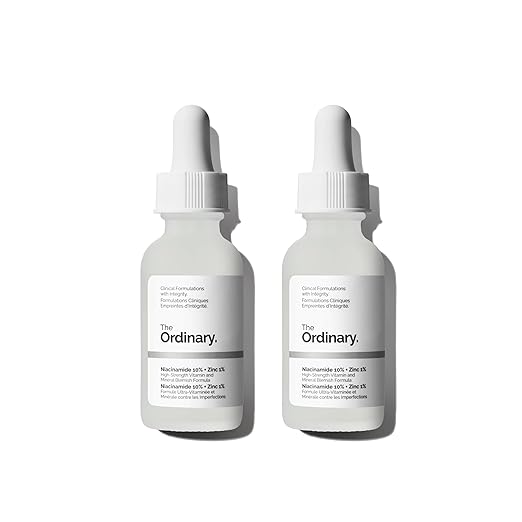
Niacinamide (Vitamin B3) interrupts the transfer of pigment to your skin cells. It's especially effective for post-acne marks and works well with almost every other ingredient.
Benefits of Niacinamide:
- Prevents pigment from reaching skin surface
- Calms inflammation and redness
- Strengthens skin barrier
- Minimizes pore appearance
Our top pick: The Ordinary Niacinamide 10% + Zinc 1% on Amazon →
Apply a few drops morning and night after cleansing.
Step 4: Add a Retinoid (Night Only)
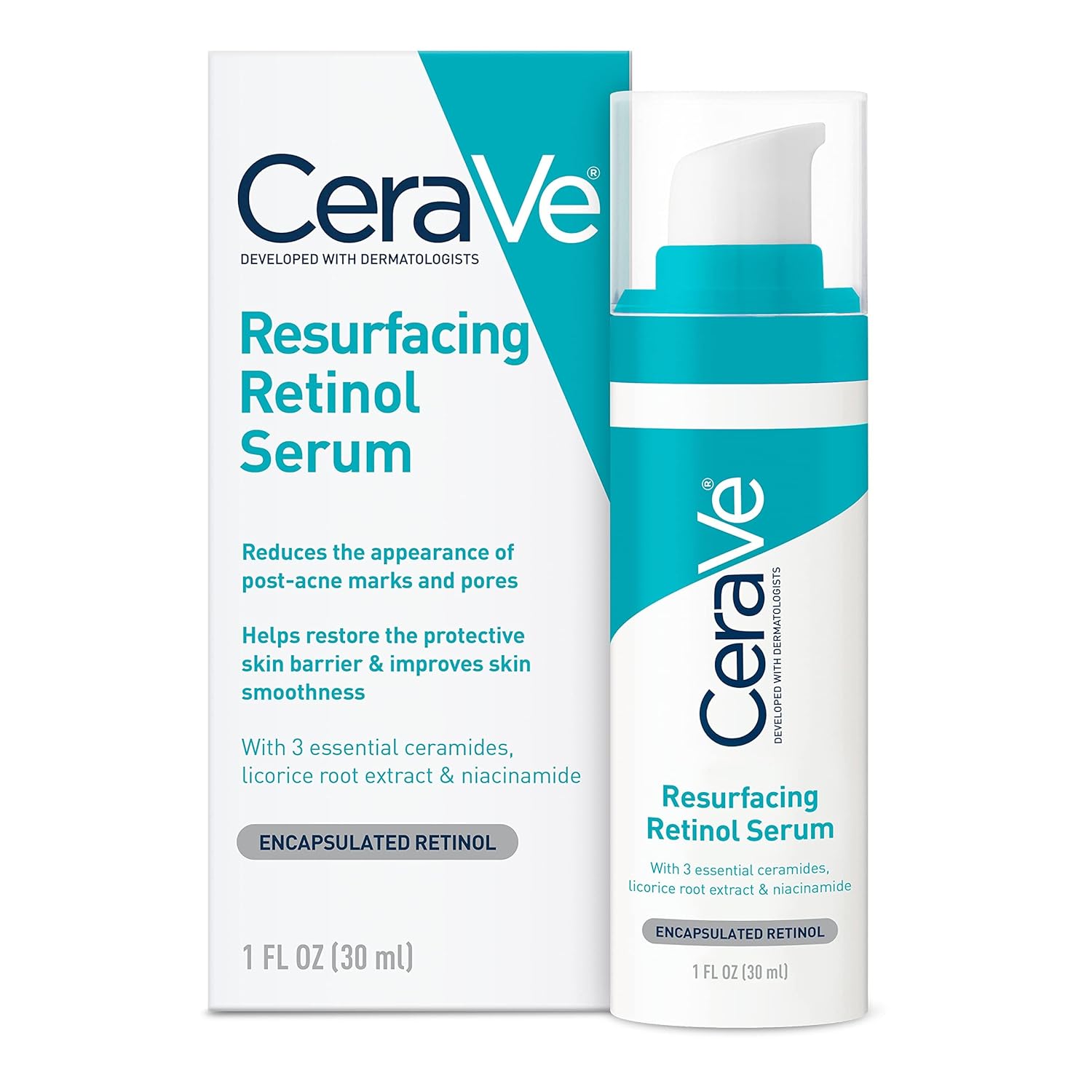
Retinoids speed up skin cell turnover, shedding pigmented cells faster. This is your heavy lifter for stubborn dark spots and anti-aging benefits.
Benefits of Retinoids:
- Speeds up cell turnover
- Fades stubborn dark spots
- Reduces fine lines and wrinkles
- Unclogs pores
For different skin types:
| Experience Level | Best Texture | Our Recommendation |
|---|---|---|
| Beginner | Gentle formula | CeraVe Resurfacing Retinol Serum |
| Intermediate | Standard retinol | The Ordinary Retinol 0.5% in Squalane |
| Advanced | Prescription strength | Differin Adapalene Gel |
Our top pick for beginners: CeraVe Resurfacing Retinol Serum on Amazon →
Start with 2 nights per week, then gradually increase. Use only at night, and always wear sunscreen the next morning.
The Complete Dark Spot Treatment Routine
Morning Routine (5 minutes)
| Step | Product Type | Time |
|---|---|---|
| 1 | Gentle Cleanser | 1 minute |
| 2 | Vitamin C Serum | 1 minute |
| 3 | Niacinamide Moisturizer | 1 minute |
| 4 | Sunscreen SPF 30+ | 1 minute |
Evening Routine (5 minutes)
| Step | Product Type | Time |
|---|---|---|
| 1 | Gentle Cleanser | 1 minute |
| 2 | Retinoid (2-3x weekly) or AHA (alternate nights) | 1 minute |
| 3 | Hydrating Moisturizer | 1 minute |
Weekly Addition
- Gentle exfoliation with AHA 1-2 times per week (on non-retinoid nights)
How Long Until You See Results?
| Timeframe | What to Expect |
|---|---|
| 2-4 weeks | Skin looks brighter overall |
| 8-12 weeks | Dark spots start visibly fading |
| 4-6 months | Significant improvement |
| 6-12 months | Maximum results (for stubborn spots) |
Important: Dark spot treatment requires patience. Anyone promising "instant results" is selling you false hope. Consistent use over months is what actually works.
Quick Comparison: Best Dark Spot Ingredients
| Ingredient | Best For | How It Works |
|---|---|---|
| Vitamin C | Sun spots, general brightening | Blocks melanin production |
| Niacinamide | Post-acne marks, sensitive skin | Interrupts pigment transfer |
| Retinoids | Stubborn spots, anti-aging | Speeds cell turnover |
| Kojic Acid | Sun spots, age spots | Natural melanin blocker |
| Azelaic Acid | Redness + dark spots | Anti-inflammatory + brightening |
Common Mistakes That Make Dark Spots Worse
❌ Skipping Sunscreen
Without daily SPF, no treatment will work effectively.
The fix: Use SPF 30-50 every single day, rain or shine.
❌ Using Too Many Actives at Once
Combining vitamin C, retinol, and AHAs can damage your skin barrier.
The fix: Introduce ONE new product at a time. Wait 2-4 weeks before adding another.
❌ Picking at Your Skin
Every squeezed pimple leaves behind a dark mark that can last months.
The fix: Use pimple patches and keep your hands off your face.
Shop the Complete Dark Spot Routine
Get everything you need to start fading dark spots today:
| Product | Price | Shop |
|---|---|---|
| The Ordinary Vitamin C Suspension | $9.50 | Shop on Amazon → |
| The Ordinary Niacinamide 10% + Zinc | $9.23 | Shop on Amazon → |
| CeraVe Resurfacing Retinol Serum | $18.66 | Shop on Amazon → |
| Black Girl Sunscreen SPF 30 | $9.99 | Shop on Amazon → |
Complete routine total: ~$47.50
Final Thoughts
Treating dark spots takes time, consistency, and patience. The most effective approach combines:
✅ Daily sunscreen (non-negotiable) ✅ Proven brightening ingredients (vitamin C, niacinamide, retinoids) ✅ Gentle exfoliation (2-3 times per week) ✅ Realistic expectations (results take months, not days)
Remember: Your skin with dark spots is still beautiful skin. Don't let hyperpigmentation make you feel like you need to hide. Progress is possible, but self-acceptance along the journey matters too.
Ready to start fading your dark spots? Shop the complete routine on Amazon →
As an Amazon Associate, I earn from qualifying purchases. All recommendations are based on dermatologist advice and honest research.